
Explore Our Range Of HVAC Solutions
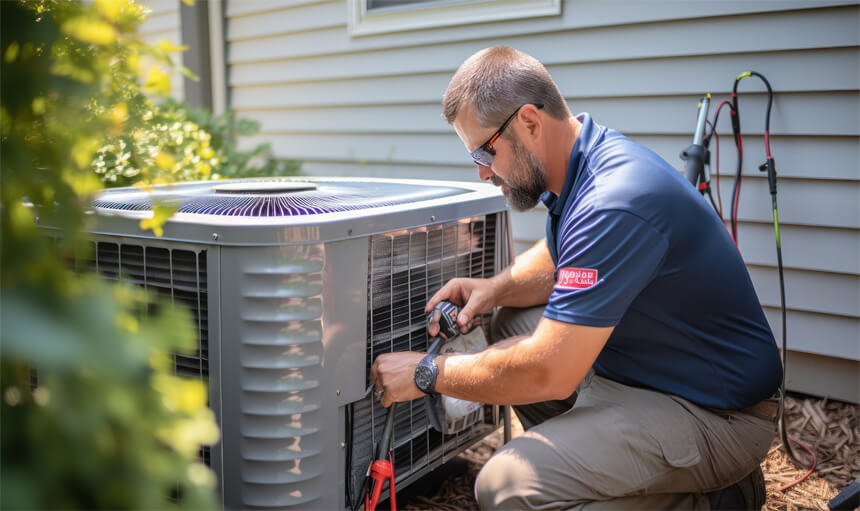
Professional installation of HVAC systems, including heating units, air conditioners, and ventilation systems.
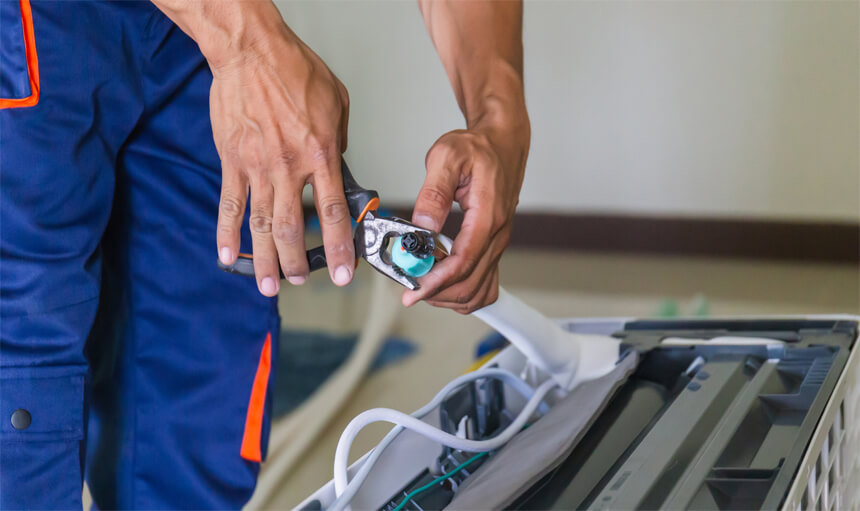
Troubleshooting & Repair HVAC systems, such as malfunctioning components, leaks, or inadequate performance.
Regular maintenance to ensure the optimal functioninality of your HVAC Systems
Upgrading or replacing old or inefficient HVAC systems with new, more energy-efficient models.
Services to enhance indoor air quality, including air purifiers, and filtration systems installation and maintenance.
Installing basic to smart thermostats for efficient temperature control and energy savings.
Inspecting and repairing leaks or damaged ductwork to improve airflow and system efficiency.
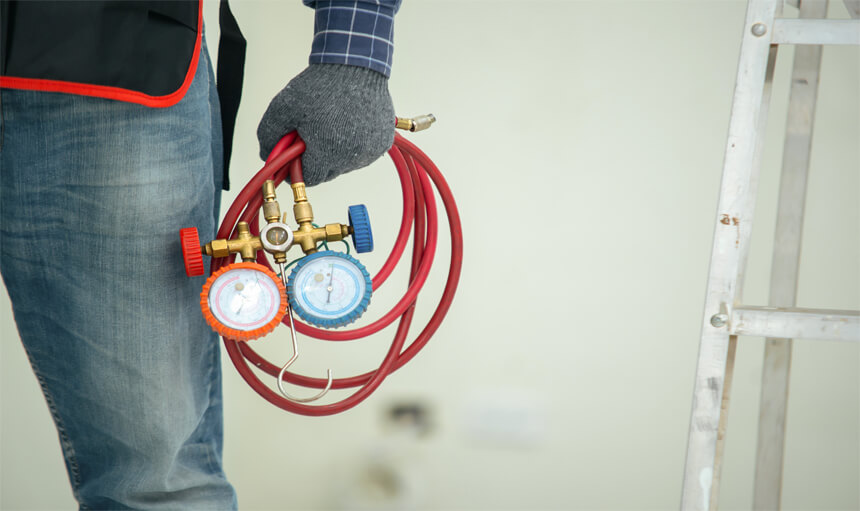
Comprehensive inspection of HVAC systems to identify potential issues, assess performance, and ensure safety.
Installing basic to smart thermostats for efficient temperature control and energy savings.
Call To Schedule A Service Or Get A Quote Now!
If one room in your home feels much hotter than the others, it’s usually a sign that your HVAC system isn’t distributing air evenly. This is a very common issue, especially during hot Texas summers.
A few common causes include:
Dirty air filters restricting airflow
Blocked or closed vents
Poor insulation or air leaks
Sun exposure heating certain rooms faster
Ductwork issues or leaks
An HVAC system that’s too small or improperly balanced
Older windows allowing heat inside
In some cases, rooms farther away from the HVAC unit may naturally receive less cooled air than rooms closer to the system.
The good news is that many uneven cooling problems can be fixed with a professional HVAC inspection, airflow adjustments, duct sealing, insulation improvements, or system maintenance.
At Equal Heat & Air, we help homeowners identify the root cause of hot spots and restore comfort throughout the home.
Most HVAC air filters should be changed every 1–3 months, but the right schedule depends on your home, pets, allergies, and system usage.
Here’s a general guideline:
Every 30 days: Homes with pets, allergies, smokers, or heavy HVAC use
Every 60–90 days: Average households with standard system usage
Every 6–12 months: Some high-efficiency media filters (check manufacturer recommendations)
A dirty air filter can restrict airflow and cause:
Higher energy bills
Reduced indoor comfort
Poor indoor air quality
Extra strain on your HVAC system
Frozen evaporator coils or system breakdowns
If you notice weak airflow, more dust in your home, or uneven temperatures, it may be time to replace your filter sooner.
At Equal Heat & Air, we recommend checking your filter monthly—especially during peak summer and winter seasons—to keep your system running efficiently and reliably.
The right HVAC system depends on several factors — not just the size of your home. Choosing the correct system is important because an oversized or undersized unit can lead to higher energy bills, uneven temperatures, and unnecessary wear on your equipment.
Key factors include:
Square footage of your home
Ceiling height and layout
Insulation quality
Number of windows and sun exposure
Local climate and summer temperatures
Number of occupants in the home
Existing ductwork condition
As a general guideline, many homes need around 20–25 BTUs of cooling per square foot, but every home is different.
Here’s a rough estimate of common HVAC system sizes:
1,000 sq. ft. → 2-ton system
1,500 sq. ft. → 3-ton system
2,000 sq. ft. → 4-ton system
2,500 sq. ft. → 5-ton system
However, the most accurate way to determine the right system is with a professional “Manual J” load calculation, which evaluates your home’s exact heating and cooling needs.
At Equal Heat & Air, we help homeowners choose energy-efficient HVAC systems designed for long-term comfort, lower utility costs, and reliable performance in Texas heat.
You can improve energy efficiency by regularly maintaining your HVAC system, sealing air leaks in your home, properly insulating your walls and attic, using a programmable thermostat, and ensuring proper airflow through clean air filters.
The average lifespan of an HVAC system varies depending on the type and quality of the system, but generally, it can range from 10 to 20 years. Regular maintenance and proper care can help extend its lifespan.
It is recommended to schedule HVAC maintenance at least once a year. Ideally, it’s best to have professional maintenance performed in the spring for cooling systems and in the fall for heating systems to ensure optimal performance.
Common signs of HVAC system issues include inadequate cooling or heating, strange noises, unusual odors, frequent cycling, high energy bills, and poor airflow. If you notice any of these signs, it’s best to contact an HVAC professional for inspection and repairs.
To improve indoor air quality, you can regularly change air filters, consider installing air purifiers or cleaners, ensure proper ventilation, control humidity levels, and minimize indoor pollutants like smoking or chemical usage.
The recommended energy-efficient temperature for cooling is around 78°F (25.5°C) and around 68°F (20°C) for heating. However, adjusting it according to your comfort preferences while keeping efficiency in mind is recommended.
To reduce HVAC noise, you can ensure that all air vents are unobstructed, check for loose parts or ductwork, insulate ducts, use noise-reducing materials around the unit, and consider installing a soundproofing barrier if necessary.
There might be tax credits or rebates available for upgrading to energy-efficient HVAC systems. It’s recommended to check with local government agencies, energy providers, or HVAC manufacturers for information on any available incentives or programs in your area.
At Equal Heat and Air, we pride ourselves on being an outstanding, customer-centric HVAC company that delivers exceptional solutions and experiences.
© Copyright | HVAC by Equal Heat And Air | All Rights Reserved | Marketing by Seven Seven Digital | State LIC.# TACLA103273C | Regulated by The Texas Department of Licensing and Regulation, www.license.state.tx.us | Terms and Conditions | Privacy Policy